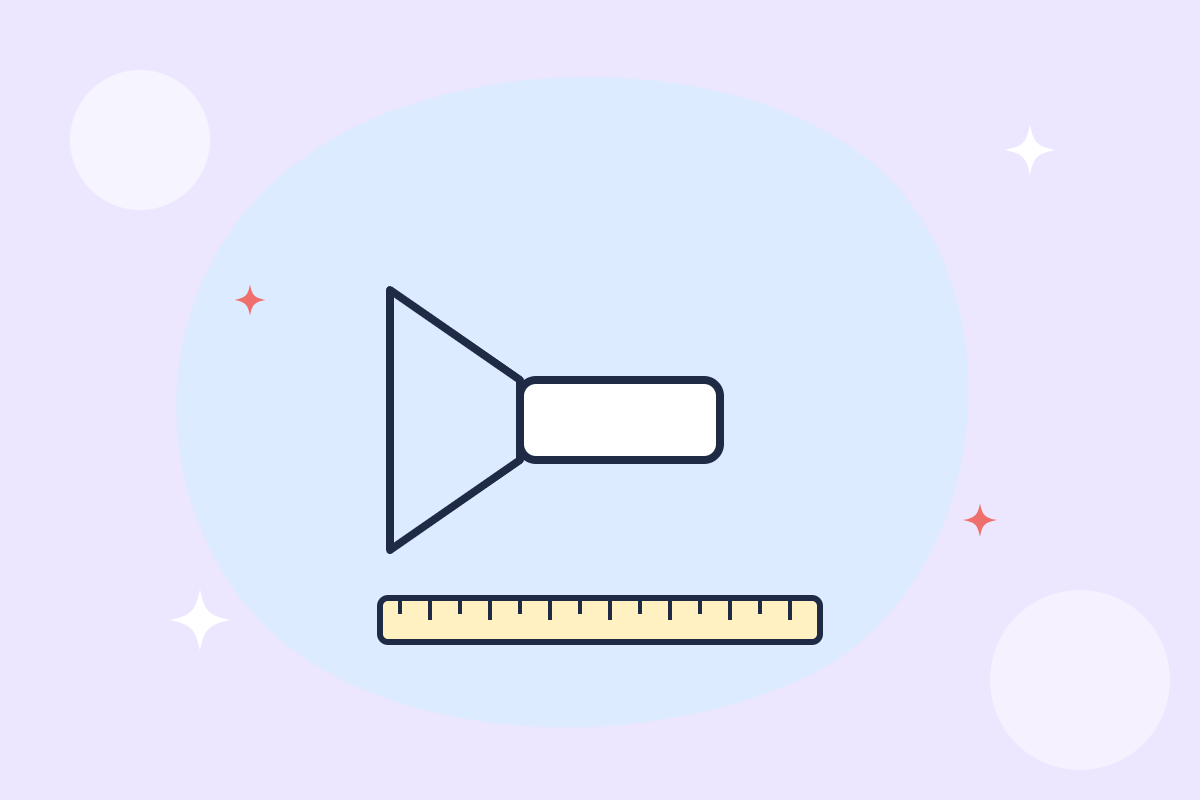
The flange (or breast shield) is the funnel-shaped part of a pump that fits over your nipple. The right size makes pumping more comfortable and helps the pump remove milk well. Most guides suggest measuring the base of your nipple in millimeters and adding a few millimeters to find your starting size.
Key takeaways
- Measure the nipple only, at the base, in millimeters, not the areola.
- Add about 2–4 mm to find a starting flange size.
- Measure both sides; they can be different.
- Pain or less milk than expected can mean the size is wrong.
Why flange size matters
Cleveland Clinic notes that the main signs of a poor fit are pain and less milk output than expected. A flange that is too small can rub; one that is too large can pull in too much tissue. Both can make pumping uncomfortable and less effective.
How to measure, step by step
- Use a ruler, a flange sizing card or a printable nipple ruler marked in millimeters.
- Measure across the base of your nipple, not including the areola.
- Measure both nipples; they may need different sizes.
- Add 2 to 4 mm to your measurement, then round up to the nearest flange size your pump offers.
- Test the fit during a real pumping session, and re-check over time.
Babylist gives an example: a 21 mm nipple usually means starting with a 24 mm flange.
Signs your flange is too small
- Your nipple rubs against the sides of the tunnel
- Pain or pinching during pumping
- Purple nipples, or a pale or white ring around the base afterward
- Less milk than you expect
Signs your flange is too big
- A lot of your areola is pulled into the tunnel
- Your nipple moves around a lot inside the tunnel
- Pain or poor suction
- Less milk than you expect
What a good fit looks like
Medela describes a correct fit as one where the nipple is centered and moves freely in the tunnel. You may see only a little areola move with each cycle.
Sizes can change
Your nipple size can change over the weeks and months of pumping, so measure again if pumping starts to hurt or your output drops. Many pumps sell inserts to make a flange smaller.
When to get help
If pumping still hurts after you adjust the size, or you see cracks, bleeding or signs of infection, talk to an International Board Certified Lactation Consultant (IBCLC) or your doctor.
Frequently asked questions
Is flange size based on breast size?
No. It is based on the diameter of your nipple, not your cup size.
What is the most common flange size?
Many pumps come with 24 mm flanges, but many people need a different size.
Should both sides be the same size?
Not always. Measure each side separately.
Should pumping hurt?
No. Pain is a sign something needs adjusting; ask a lactation consultant if it continues.
Keep reading: Pumping schedules by age · How to store breast milk · The best breast pumps
Sources
These are the main sources we used for this guide. We link to them so you can check our work.
- Cleveland Clinic: How to find your breast pump flange size
- Babylist: Breast pump flange fit
- Medela: Choosing your breast shield size
This article is general information, not medical advice. Always follow your pediatrician’s guidance for your own baby. Read our medical disclaimer.
Update history: November 16, 2026: first published.
Leave a Reply